

A European asset manager, with around 120 employees across three entities, sought a unified view of its business. The external managers segment operated with its own compensation models and specific agreements, while the funds business tracked performance, fees, contributions, and reporting obligations. Two worlds coexisted—two rhythms, two versions of the truth. Management wanted a coherent, readable, and immediately actionable view to enable faster decision-making without manual reconstruction.
Day-to-day operations relied heavily on data extracts, spreadsheets, and successive reconciliations. Figures varied depending on the entity, custodian, or scope. Preparing committee meetings was time-consuming, and teams spent more time debating data sources than analyzing trends. Transparency on fees, retrocessions, and profitability by client or vehicle lacked consistency. Comparisons between external managers and funds were neither smooth nor reliable.
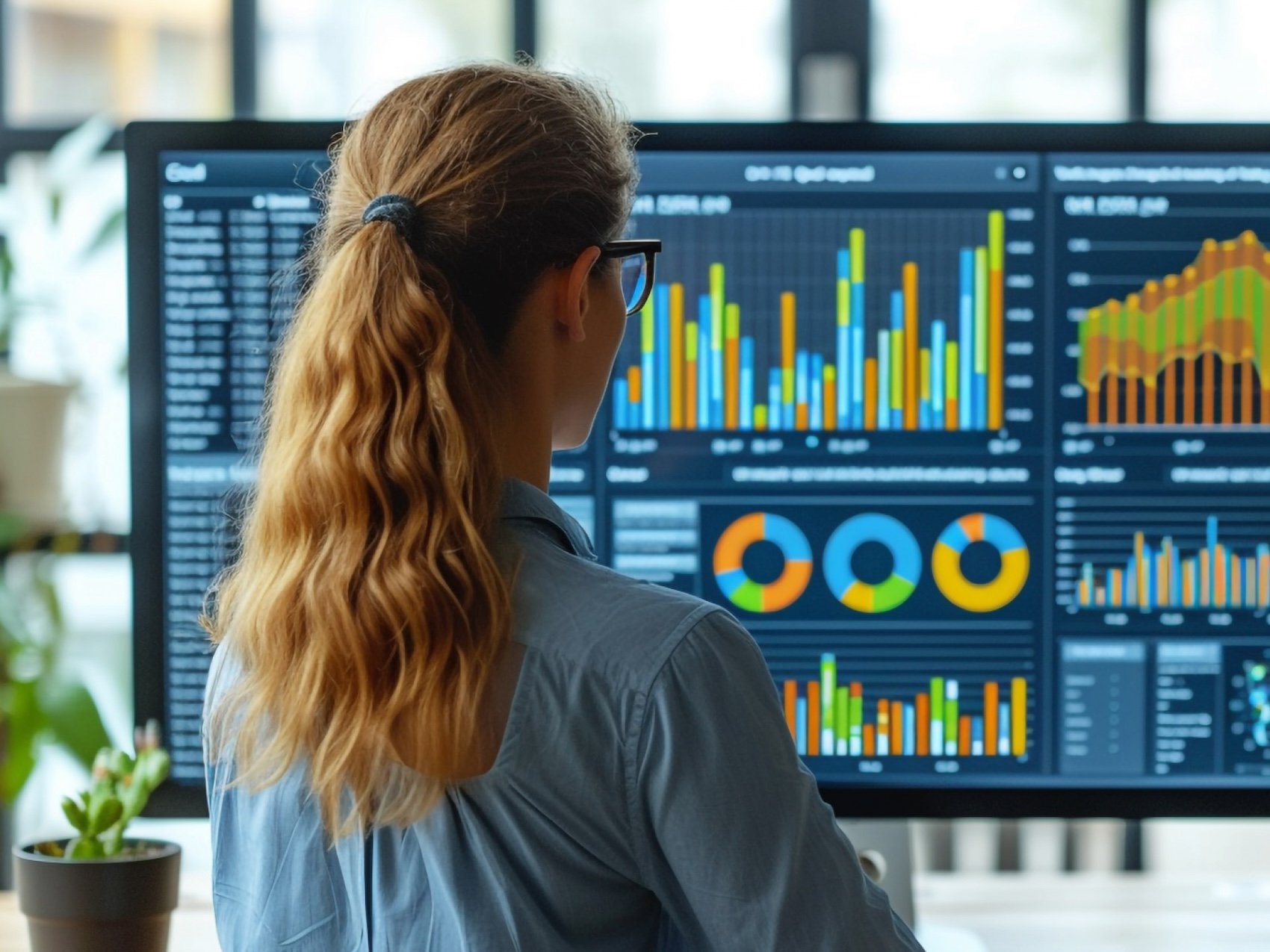
Integraal provided a clear and structured solution. The platform consolidated key information for both external managers and funds within a single framework. Data is now controlled, reconciled, and aligned across all three entities. Management benefits from a shared view of AuM, performance, contributions, and the impact of fees. Key metrics can be read in seconds. Discussions are clearer, and decision-making is once again fast and efficient.
This transformation has freed up teams—less manual handling, more analysis. Performance management now relies on a stable, shared, and scalable foundation. Local specificities are preserved while ensuring a consistent group-level view. Investor relations have strengthened, regulatory commitments are better documented, and profitability is monitored with discipline across the entire value chain.
With Integraal, the organization finally brings its two growth engines into a single, unified picture. Consolidation is no longer a monthly exercise—it has become a daily reflex. Data becomes a driver of execution. Value is measured through speed of analysis, quality of decisions, and the trust teams place in the information.