


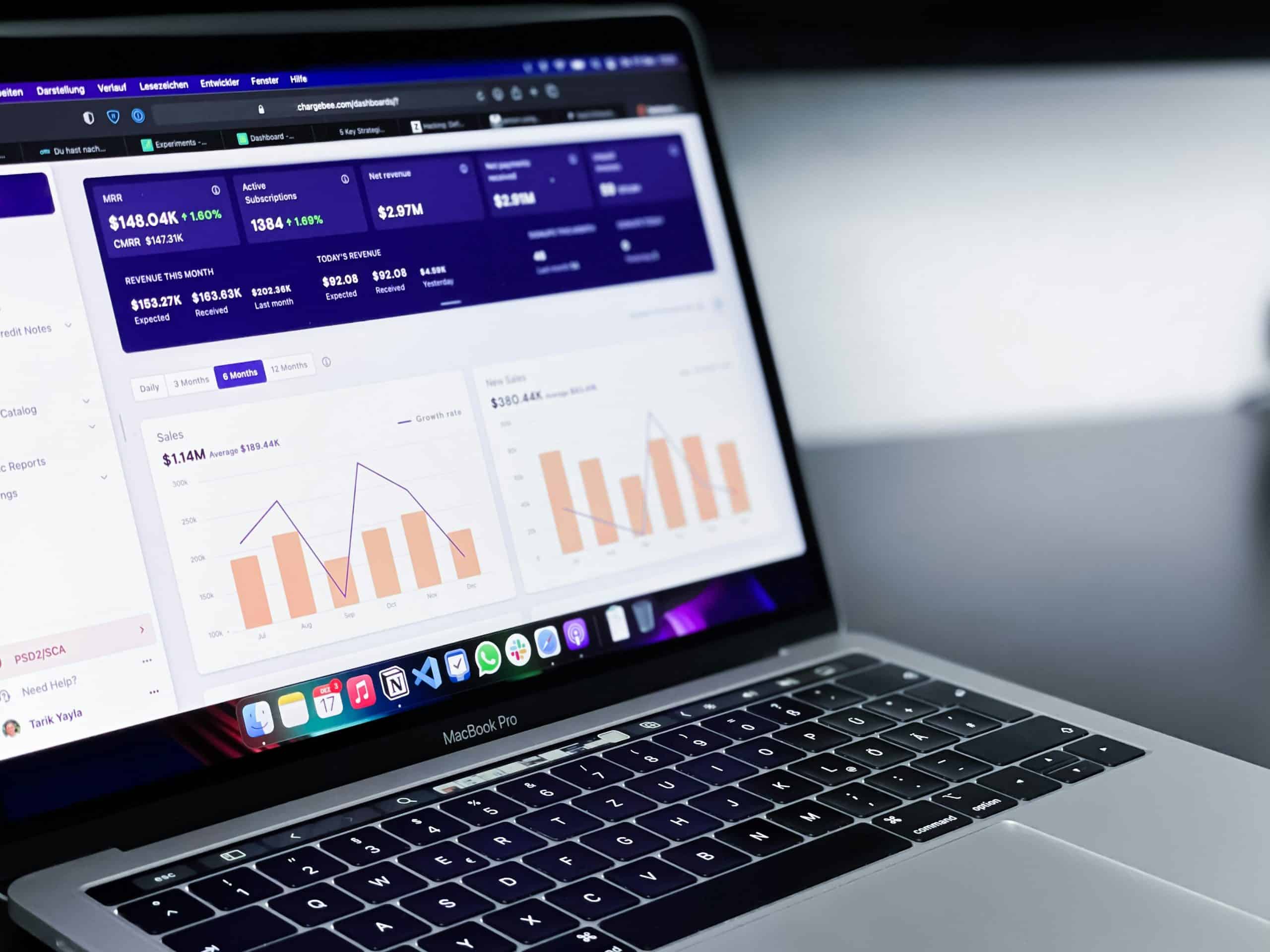
A MIS, or Management Information System, is a set of processes, technologies, and human resources that enables an organization to collect, process, store, and distribute strategic information to support management and decision-making. This type of system is essential for effectively managing a company’s operations and optimizing its overall performance.
Management Information Systems are used by managers at different levels of the company to obtain relevant information regarding operational performance, resource management, and market trends. This helps them make informed decisions to achieve the company’s strategic goals.
Components of a MIS
A MIS generally consists of several key elements working together to provide valuable insights to the business. These components include:
- Data Collection: MIS relies on the systematic collection of data from various internal sources (e.g., sales, inventory management, finance) and external sources (e.g., market trends, consumer behavior). This data is captured through management systems, databases, and other tools.
- Data Processing: Once collected, data is processed to transform it into useful information. This involves tasks such as data aggregation, statistical analysis, comparison against objectives, and report generation. Data processing structures and organizes information so that it can be effectively utilized.
- Data Storage: The processed information is then stored in databases or data warehouses. This allows for fast and secure access to the information whenever needed. Storage plays a crucial role in managing the volume of data generated, ensuring both data quality and security.
- Information Distribution: The final core element of a MIS is the distribution of information to managers and decision-makers. This is often done via dashboards, reports, or automated alerts. Information can be distributed in the form of charts, tables, or detailed reports to ensure better understanding.
Features of a MIS
Management Information Systems offer numerous features that allow companies to manage their resources efficiently and make data-driven decisions. Key features include:
- Reporting: Reporting is one of the primary functions of a MIS. Managers can obtain reports on the performance of different business units, finances, sales, and many other areas. These reports help track progress and detect potential anomalies.
- Data Analytics: A MIS is designed to perform deep-dive analysis on collected data, offering detailed insights into company performance. This analysis helps identify trends, forecast future developments, and make smarter decisions.
- Key Performance Indicator (KPI) Tracking: A MIS makes it possible to track KPIs, which measure an organization’s effectiveness in reaching its goals. These KPIs can cover various fields such as profitability, productivity, customer satisfaction, and other business-specific metrics.
Benefits of a MIS for Businesses
- Improved Decision-Making: Thanks to real-time access to accurate information, decision-makers can act faster and more effectively. This reduces risks related to uncertainty and improves responsiveness to market changes.
- Resource Optimization: By providing a comprehensive overview of performance across various departments, a MIS allows for better allocation of human, financial, and material resources. This leads to more efficient resource management and a reduction in operational costs.
- Enhanced Productivity: Automating data collection and processing allows employees to focus on higher-value tasks. This improves the overall productivity of the organization.
- Proactive Risk Management: A MIS enables the swift identification of potential problems or risks, such as a drop in sales or inventory management issues. This allows the company to take proactive measures to mitigate negative impacts.
MIS vs. Other Information Systems
A MIS differs from other types of information systems, such as Customer Relationship Management (CRM) or Human Resource Management Systems (HRMS). While those systems focus on specific business functions, a MIS provides a holistic, big-picture view of the company, integrating information from different departments to facilitate strategic decision-making.
Conclusion
In summary, a Management Information System (MIS) is an essential tool for modern businesses, enabling them to collect, process, and distribute information for optimized decision-making. By delivering a clear and detailed view of organizational performance, a MIS makes it possible to manage resources more efficiently, cut costs, and make informed decisions that support growth and innovation.