


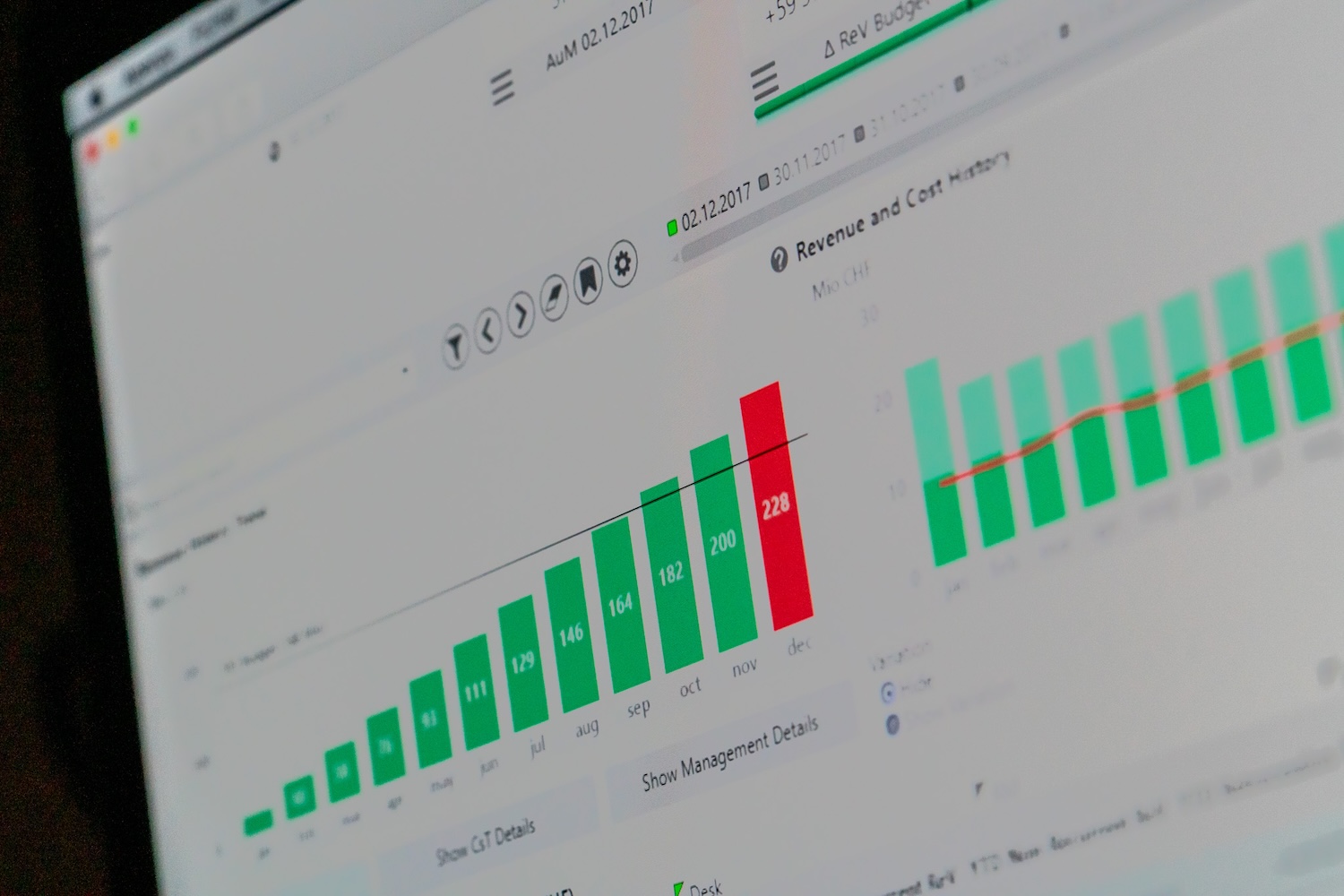
An asset manager sought to improve how it assessed performance and to better understand the true contribution of each portfolio. The organization runs multiple strategies and manages mandates with complex retrocession structures. Teams were receiving reports at different times, often incomplete, with discrepancies between internal calculations and those provided by custodians. Management therefore had only a partial view of net performance and of the impact of retrocessions on margins.
The firm wanted to put an end to manual reconciliations and gain a stabilized view of contributions. It needed a reliable picture of revenues, costs, and the effect of retrocessions on profitability. Performance, risk, and portfolio management teams required a common foundation to analyze variances, understand trends, and explain results to investors.
Integraal enabled the centralization of all performance, contribution, and retrocession data within a single framework. Calculations became consistent. Discrepancies are now easier to interpret. Daily variations can be explained within seconds. Retrocessions—often difficult to trace—are now integrated into a clear model that shows their impact on margins and on the value generated by each strategy. Performance meetings have become more precise, with teams discussing shared, verified, and aligned figures.
Over time, the asset manager expanded the use of Integraal to additional scopes. The solution adapted seamlessly. Dashboards are now available every morning, ready for analysis. Decisions are faster, better substantiated, and easier to defend with investors. The organization has gained greater confidence in its numbers, stronger discipline in performance management, and an enhanced ability to demonstrate value.
With Integraal, performance is understood with clarity, and retrocessions are no longer a gray area. The asset manager now has a clear view of what creates value—and what erodes it. Performance management becomes a genuine advantage, not a constraint.